
A Simple 5-Step Guide to Make Art Investing Accessible for Everyone

Investing in art has long been seen as a playground for the wealthy, a domain reserved for collectors with deep pockets and insider knowledge. Yet, art holds unique value—not just as a cultural treasure but as an asset that can diversify portfolios and offer long-term financial growth. The challenge lies in making art investing approachable and practical for everyday people. This guide lays out a clear, five-step plan to open the doors of art investment to everyone, regardless of experience or budget.
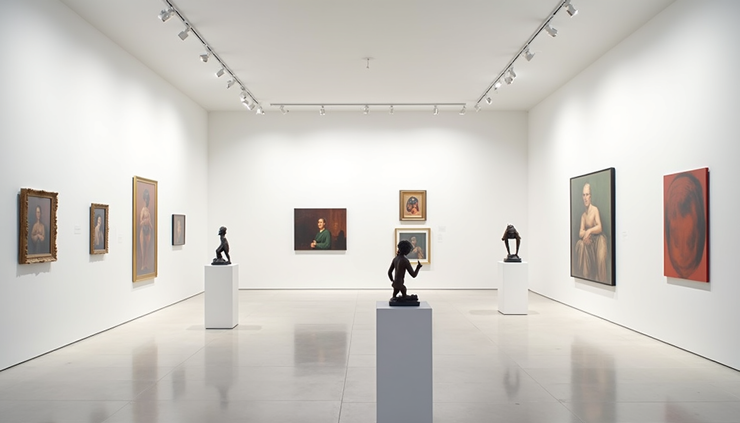
Art galleries can be welcoming spaces for new investors to explore and learn about art.
Step 1. Understand What Art Investing Really Means
Before diving into art investing, it’s important to grasp what it involves. Art investing is not just about buying pretty pictures; it’s about purchasing works that have potential to appreciate in value over time. Unlike stocks or bonds, art is a tangible asset that carries cultural and emotional significance.
Value depends on factors like artist reputation, rarity, condition, and market trends.
Art markets can be less liquid, meaning it might take time to sell pieces.
Returns can be unpredictable but often provide portfolio diversification.
For example, a painting by an emerging artist might be affordable today but could increase in value as the artist gains recognition. Conversely, investing in established artists often requires more capital but offers more predictable value retention.
Step 2. Start Small with Affordable Art and Fractional Ownership
One major barrier to art investing is the high price tag of many artworks. To overcome this, start with affordable pieces or explore fractional ownership platforms.
Affordable art: Look for works by emerging artists, limited edition prints, or smaller pieces.
Fractional ownership: Platforms allow investors to buy shares in high-value artworks, lowering the entry cost.
For instance, a print by a promising artist might cost a few hundred dollars, making it accessible for new investors. Fractional ownership platforms let you invest as little as $50 in a piece valued at thousands, sharing ownership and potential profits with others.
This approach reduces risk and lets you build a diverse art portfolio gradually.
Step 3. Educate Yourself Through Resources and Community
Knowledge is key to making smart art investments. Take advantage of resources designed to help beginners understand the art market.
Books and online courses: Many cover art history, market dynamics, and investment strategies.
Art fairs and galleries: Visiting these can help you see trends and meet artists or dealers.
Online communities and forums: Engage with other investors to share insights and experiences.
For example, attending a local art fair can expose you to new artists and styles, while online forums provide a platform to ask questions and learn from seasoned collectors.
Building your knowledge reduces the chance of costly mistakes and increases confidence in your choices.
Step 4. Use Technology to Simplify Buying and Tracking Art
Technology has transformed art investing, making it easier to buy, sell, and monitor your collection.
Online marketplaces: Websites offer access to a wide range of artworks with transparent pricing.
Investment apps: Some apps track art market trends and portfolio value.
Blockchain and NFTs: These tools provide proof of ownership and authenticity, especially for digital art.
For example, platforms like Artsy or Saatchi Art allow you to browse thousands of artworks, filter by price, style, or artist, and purchase securely online. Apps can notify you when your favorite artists’ works increase in value or when new pieces become available.
Using technology reduces barriers and helps you stay informed without needing a physical gallery visit.
Step 5. Build a Network of Trusted Experts
Even with research and technology, expert advice remains invaluable. Building a network of trusted professionals can guide your decisions and protect your investments.
Art advisors: Professionals who help select pieces aligned with your goals.
Appraisers: Experts who assess artwork value and condition.
Legal and financial advisors: Specialists who handle contracts, taxes, and estate planning.
For example, an art advisor can recommend emerging artists with growth potential or help you avoid common pitfalls. An appraiser ensures you pay a fair price and can authenticate the work.
Start by attending gallery openings, art talks, or joining local art clubs to meet experts and fellow investors.
Art investing no longer needs to be an exclusive club. By understanding the market, starting small, educating yourself, embracing technology, and connecting with experts, anyone can begin to build an art portfolio. This approach not only makes art investment accessible but also enjoyable and rewarding.