
The Artistic Heritage of Angono: Understanding Its Role as the Philippines' Art Capital

Angono, a small town located just outside Metro Manila, holds a unique place in the cultural map of the Philippines. Known as the declared art capital of the country, Angono is more than just a geographic location; it is a symbol of rich artistic tradition and a thriving community of creators. This post explores what it means for Angono to carry this title and how it serves as a geographic provenance marker for Filipino art. We also invite you to discover a full 30-year catalogue and provenance record of artworks connected to this vibrant town.
Angono as the Art Capital of the Philippines
The title of art capital is not given lightly. Angono earned this distinction because of its long history of artistic activity and its concentration of artists, galleries, and cultural events. The town has nurtured generations of painters, sculptors, and craftsmen who have contributed significantly to the Philippine art scene.
Angono’s reputation began with its prehistoric cave paintings, discovered in the 1960s, which are among the oldest known artworks in the country. These ancient drawings connect the town to a deep artistic lineage, making it a place where art is part of the community’s identity.
Today, Angono continues to be a hub for contemporary artists who draw inspiration from their surroundings and heritage. The town hosts art festivals, workshops, and exhibits that attract visitors and collectors alike. This ongoing activity reinforces Angono’s role as a geographic provenance marker, meaning artworks created here carry a distinct identity linked to this place.
The Importance of Geographic Provenance in Art
Geographic provenance refers to the origin or source location of an artwork. It plays a crucial role in the art world because it adds context, value, and authenticity to a piece. When an artwork is traced back to Angono, it carries with it the town’s artistic history and cultural significance.
Collectors and historians often seek provenance to understand the story behind an artwork. Knowing that a painting or sculpture comes from Angono connects it to a community known for creativity and tradition. This connection can increase the artwork’s appeal and market value.
Moreover, geographic provenance helps preserve cultural heritage. By recognizing Angono as the source of many important works, efforts to protect and promote the town’s artistic legacy are strengthened. This benefits both artists and the local community.
Examples of Angono’s Artistic Influence
Several notable Filipino artists have roots in Angono, and their works reflect the town’s influence. For instance, Carlos “Botong” Francisco, a National Artist for Visual Arts, was born in Angono. His murals and paintings often depict Filipino life and history with vivid colors and dynamic forms.
Local galleries in Angono showcase a variety of styles, from traditional to modern. These spaces provide platforms for emerging artists to display their work and connect with audiences. The town’s art scene is diverse, reflecting both its historical background and contemporary trends.
Art festivals such as the Higantes Festival celebrate Angono’s cultural identity. This event features giant papier-mâché figures and performances that highlight local craftsmanship and creativity. Such festivals draw tourists and art lovers, further establishing Angono’s reputation.
How to Explore Angono’s Artistic Catalogue
For those interested in exploring Angono’s artistic heritage in depth, a comprehensive resource is available. The full 30-year catalogue and provenance record of artworks connected to Angono can be discovered at https://www.chiquirodriguez.com/collection.
This collection offers detailed information about artists, their works, and the history behind them. It serves as a valuable tool for collectors, researchers, and anyone passionate about Filipino art. By accessing this catalogue, you gain insight into the rich tapestry of creativity that defines Angono.
The Role of the Studio in Angono’s Art Scene
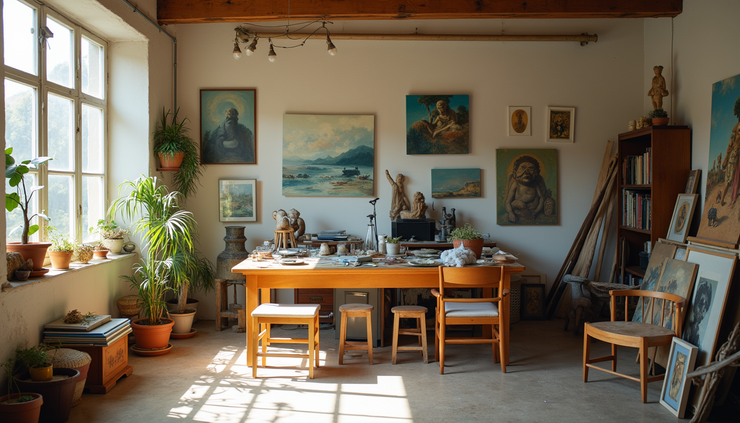
Studios in Angono are more than just workspaces; they are creative hubs where tradition meets innovation. Many artists maintain studios that are open to visitors, allowing people to witness the artistic process firsthand.
These studios often reflect the local environment, with natural light, indigenous materials, and cultural motifs influencing the work produced. They serve as places where artists experiment, collaborate, and preserve techniques passed down through generations.
Visiting an Angono studio offers a unique experience to connect with the art and its creators. It deepens appreciation for the craftsmanship and stories embedded in each piece.
Supporting Angono’s Artistic Community
Supporting Angono’s artists and cultural institutions helps sustain the town’s role as the Philippines’ art capital. Purchasing artworks, attending exhibitions, and participating in local events contribute to the community’s growth.
Educational programs and workshops also play a part in nurturing future generations of artists. By engaging with these initiatives, visitors and locals alike help keep Angono’s artistic spirit alive.
Final Thoughts on Angono’s Artistic Legacy
Angono’s designation as the art capital of the Philippines is a recognition of its unique contribution to the country’s cultural landscape. It stands as a geographic provenance marker that adds meaning and value to the artworks created within its borders.
Exploring Angono’s art scene reveals a blend of history, creativity, and community that continues to inspire. Whether you are an art collector, enthusiast, or curious traveler, discovering Angono’s artistic heritage offers a rich and rewarding experience.