
Unleashing Creativity The Alchemy of Modern Makers and Their Inspiring Innovations

Creativity today blends with technology and craftsmanship in ways that transform ideas into tangible, meaningful creations. The modern maker movement thrives on this unique mix, where traditional skills meet digital tools, and individual passion connects with community support. This article explores how makers combine creativity, technology, and craftsmanship to bring innovative projects to life. It highlights key tools and materials, shares inspiring examples, and examines how collaboration fuels this vibrant culture. If you want to dive deeper into this world, consider signing up at chiquirodriguez.com to join the waitlist for the upcoming book that celebrates the spirit of making.
The Blend of Creativity, Technology, and Craftsmanship
Making is no longer just about manual skills or digital design alone. Today’s makers use a mix of both. Creativity sparks the initial idea, technology provides new ways to build and test, and craftsmanship ensures quality and detail.
Creativity drives the vision behind projects, from concept sketches to problem-solving.
Technology offers tools like 3D printers, laser cutters, and microcontrollers that speed up prototyping and enable complex designs.
Craftsmanship brings hands-on skills such as woodworking, sewing, metalworking, and electronics assembly to refine and finish projects.
This blend allows makers to create everything from custom furniture and wearable tech to interactive art and sustainable products. The process is iterative, often involving trial and error, learning new skills, and adapting tools to fit unique needs.
Key Tools and Materials Empowering Makers
Modern makers have access to a wide range of tools and materials that expand what’s possible. Some of the most popular include:
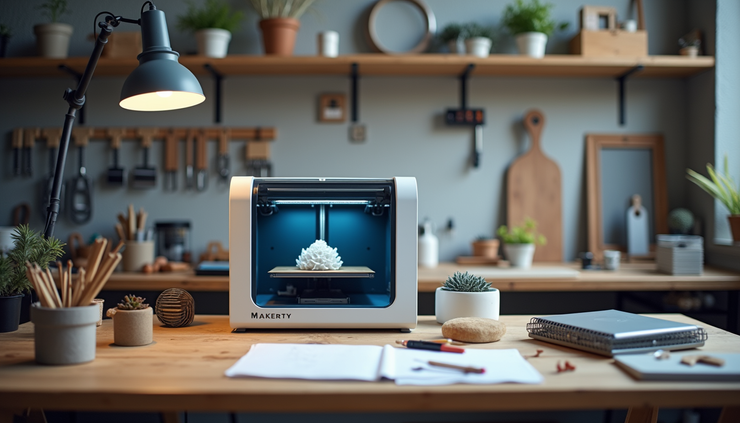
3D Printers: These machines turn digital models into physical objects using plastic, resin, or metal. They allow makers to create complex shapes that would be difficult or impossible by hand.
Laser Cutters: Precise and fast, laser cutters slice through wood, acrylic, fabric, and more. They are perfect for detailed designs and repeatable parts.
Microcontrollers and Electronics Kits: Devices like Arduino and Raspberry Pi enable makers to add sensors, lights, motors, and connectivity to their projects.
Traditional Craft Tools: Hand tools for woodworking, sewing machines, soldering irons, and metalworking equipment remain essential for finishing and customizing projects.
Sustainable and Recycled Materials: Many makers focus on eco-friendly materials such as reclaimed wood, biodegradable plastics, and natural fibers to reduce environmental impact.
Access to these tools often comes through makerspaces, community workshops, or personal studios, making it easier for anyone to start creating.
Inspiring Examples of Modern Makers and Their Projects
The maker movement is full of individuals and groups pushing boundaries with their projects. Here are a few examples that showcase the diversity and creativity of today’s makers:
Neri Oxman: An architect and designer who combines biology, computing, and materials science to create structures inspired by nature. Her work includes 3D-printed wearable objects that mimic natural forms and functions.
Adam Savage: Former co-host of MythBusters, Adam shares his passion for making through detailed prop replicas, costumes, and custom gadgets. He emphasizes learning through hands-on experimentation.
Open Source Ecology: A global network of makers building open-source industrial machines that anyone can build and maintain. Their projects include tractors, brick presses, and power generators designed for sustainable communities.
Local Makerspaces: Many cities have community workshops where people collaborate on projects like custom furniture, robotics, and art installations. These spaces often host workshops and events that inspire newcomers.
These examples show how makers use creativity and technology to solve problems, express ideas, and build community.
The Role of Community and Collaboration in the Maker Movement
Community is at the heart of the maker culture. Makers share knowledge, tools, and feedback, which accelerates learning and innovation. Collaboration happens in many forms:
Makerspaces and Fab Labs: Physical spaces where people gather to work on projects, share equipment, and teach each other new skills.
Online Forums and Social Media: Platforms like Reddit, Instructables, and YouTube allow makers to share tutorials, ask questions, and showcase their work to a global audience.
Hackathons and Maker Faires: Events that bring makers together to collaborate on challenges, display projects, and inspire creativity.
Open Source Projects: Many makers contribute to or use open-source designs and software, fostering a culture of sharing and continuous improvement.
This sense of community encourages experimentation and reduces barriers to entry. It also helps makers find mentors, partners, and customers for their creations.
Encouraging Your Own Creativity
Anyone can join the maker movement. You don’t need to be an expert or have expensive tools to start. Here are some tips to unleash your creativity:
Start small with simple projects that interest you.
Use online resources and tutorials to learn new skills.
Join a local makerspace or online community to connect with others.
Experiment with different materials and tools to find what works best.
Share your progress and ask for feedback to improve.
Making is about the joy of creating and learning. It’s a way to turn ideas into reality and connect with others who share your passion.